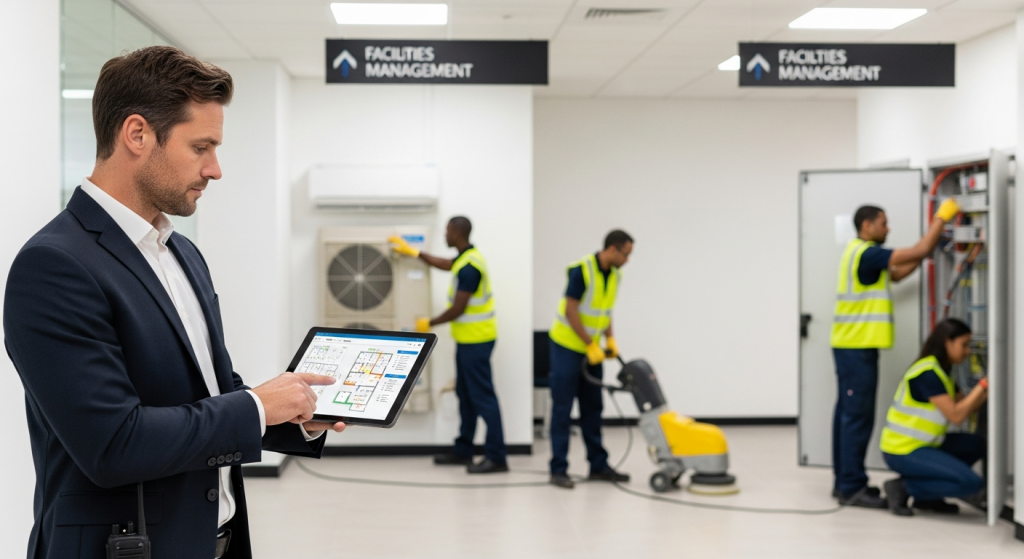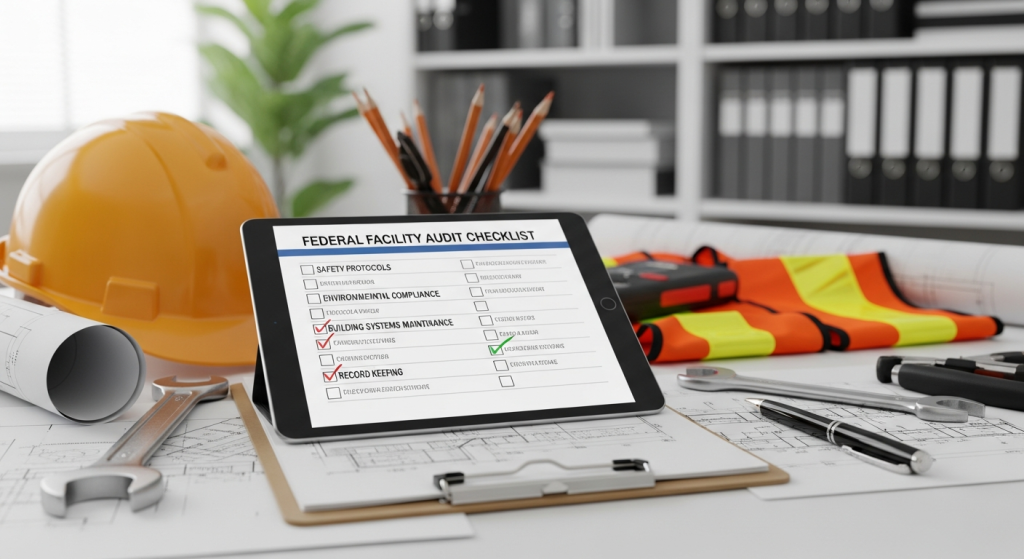

At MASE, our role goes far beyond simple repairs. As leaders in facilities management services in Puerto Rico, we are your strategic partners in resilience.
This ultimate checklist is designed to be your actionable guide. It is structured in three phases long-term preparedness, pre-storm action, and post-storm recovery to help you navigate this critical season with confidence and control.
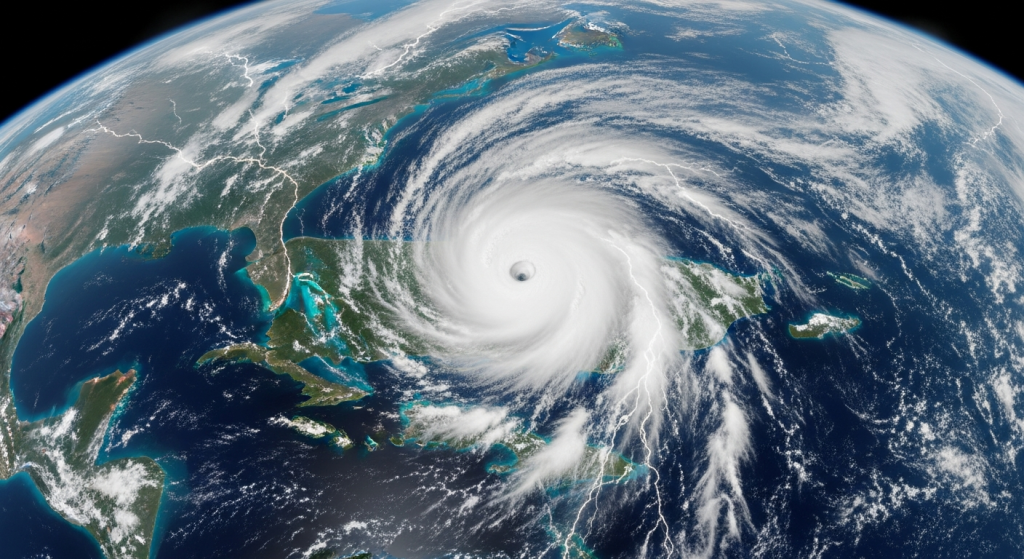
Phase 1: Before Hurricane Season Begins (Annual Preparedness)
The most important work of hurricane preparedness happens long before a storm ever forms. It’s about building a resilient facility through consistent, professional maintenance. This is the core of strategic facilities management services in Puerto Rico.
☐ Structural and Exterior Audit
Your building’s envelope is its first line of defense against wind and water.
- Roof Inspection: Schedule a professional inspection of your roof. Look for loose or damaged shingles, tiles, or roofing membrane. Check all flashing around vents and HVAC units for secure seals. As FEMA (Federal Emergency Management Agency) points out, roof failure is a leading cause of catastrophic damage.
- Window and Door Integrity: Inspect all window and door frames. Seal any cracks or gaps with high-quality sealant to prevent water intrusion. Test the operation of all doors to ensure they close and lock securely.
- Hurricane Shutters / Impact Glass: If you have hurricane shutters, deploy and test them before the season starts to ensure they are functional. If you have impact-resistant glass, inspect it for any cracks or delamination.
☐ Site and Landscape Management
The area surrounding your building can become a source of projectiles and flooding.
- Tree Trimming: Hire a professional arborist to trim large tree branches, especially those hanging over your building, parking areas, or power lines.
- Drainage Systems: Ensure all storm drains, gutters, and downspouts on your property are completely clear of leaves and debris. A clogged drain is a primary cause of localized flooding.
☐ Critical Systems and Equipment Check
Your building’s core systems need to be ready for the strain of a storm.
- Backup Generator: This is your most critical asset during a power outage. A comprehensive generator service is non-negotiable. This includes an oil change, filter replacement, load bank test, and ensuring your automatic transfer switch (ATS) is functioning perfectly. You must have a clear plan for your fuel supply.
- HVAC Equipment: All rooftop HVAC units and other external equipment must be securely anchored to their pads to withstand high winds.
- Sump Pumps: If your facility has a basement or underground levels, test your sump pumps to ensure they are ready to handle potential flooding.
☐ Administrative and Insurance Preparedness
- Insurance Policy Review: Sit down with your insurance broker to review your commercial policy. Understand your coverage for wind damage, flood damage (often a separate policy), and, crucially, Business Interruption. Know your deductible and the exact procedure for filing a claim.
- Digital Document Backup: Scan all critical business documents—insurance policies, building permits, lease agreements, contracts, employee records, financial statements—and back them up to a secure cloud service.
- Emergency Contact List: Compile and distribute an updated contact list for all employees, key vendors (like MASE), your insurance agent, and local emergency services.
Phase 2: When a Hurricane Watch is Issued (72-48 Hours Before)
When a storm is officially on the horizon, it’s time to execute your pre-planned action plan.
☐ Securing the Premises
- Secure All Loose Items: Bring all outdoor furniture, portable signage, planters, trash cans, and any other loose equipment indoors. These items become dangerous projectiles in high winds.
- Fuel and Protect Vehicles: Fuel all company vehicles. If possible, move them to a secure, covered location or to an upper level of a parking garage.
- Deploy Shutters: Deploy all hurricane shutters or board up windows and glass doors with pre-cut plywood.
☐ Protecting Interior Assets and Systems
- Elevate and Cover: Move valuable electronics, critical documents, and sensitive inventory away from windows and, if possible, to a higher floor to protect from both wind-driven rain and potential flooding. Cover all large equipment with heavy-duty tarps.
- Unplug and Power Down: Unplug all non-essential electronic equipment to protect it from the severe power surges that can occur before, during, and after a storm. For your most critical IT infrastructure, ensure it is protected by a robust Uninterruptible Power Supply (UPS) and surge protection.
☐ Finalizing Communications with Your Team
- Communicate the Plan: Disseminate your final operational plan to all employees. This should include closing procedures, remote work policies if applicable, and the designated method for post-storm communication (e.g., a text message chain, a private social media group).
- Charge Everything: Ensure all essential communication devices—company cell phones, two-way radios, and backup battery packs—are fully charged.
Phase 3: Post-Hurricane Recovery and Assessment
The storm has passed, but the risks are not over. A systematic and safe approach to recovery is essential.
☐ Safety First: The Initial Approach
- Wait for the “All Clear”: Do not attempt to enter your building or return to the area until emergency authorities have officially deemed it safe.
- Be Hyper-Vigilant: The post-storm environment is hazardous. Be acutely aware of downed power lines (always assume they are live), hidden structural damage, and the risk of flooding. The safety of you and your team is the only priority.
☐ The Critical Damage Assessment Process
Before you begin any cleanup, you must document the damage for your insurance claim.
- Conduct a Thorough Inspection: If it’s safe to do so, conduct a slow, methodical inspection of the property’s exterior and interior.
- Document Everything with Photos and Videos: This is the most important step. Take detailed photos and videos of all damage before a single thing is moved or cleaned up. Capture wide shots of the overall scene and close-ups of specific damage. This visual evidence is irrefutable and will be the cornerstone of your insurance claim.
☐ Initiating a Professional Response
- Contact Your Insurance Provider: Contact your insurance agent or carrier immediately to begin the claims process.
- Contact MASE: As your facilities management partner, we should be your first operational call. We can mobilize our teams to assess the damage to your critical systems—electrical, HVAC, fire protection, and structural—and begin the process of emergency repairs to get you back in business faster.
Your Partner in Year-Round Resilience: The Value of Expert Facilities Management Services
This checklist is a powerful tool. But as you review it, you will notice a recurring theme: the majority of effective hurricane preparedness tasks are not last-minute actions, but the result of consistent, professional maintenance throughout the year.
A well-sealed roof, a tested generator, clear drains, and securely anchored equipment are not just items on a storm checklist; they are the hallmarks of a well-managed facility. Waiting for a storm warning to discover a weakness in your building is a recipe for disaster.
This is the strategic value of partnering with MASE. Our comprehensive facilities management services in Puerto Rico are designed to keep your building in a constant state of resilience. We are your year-round partners in preparedness.
Don’t wait for a storm warning to assess your property’s vulnerabilities. Contact MASE today for a comprehensive facility assessment and learn how our proactive maintenance plans can keep your business secure, profitable, and resilient, no matter the weather.